TRL 1–3
Research and concept
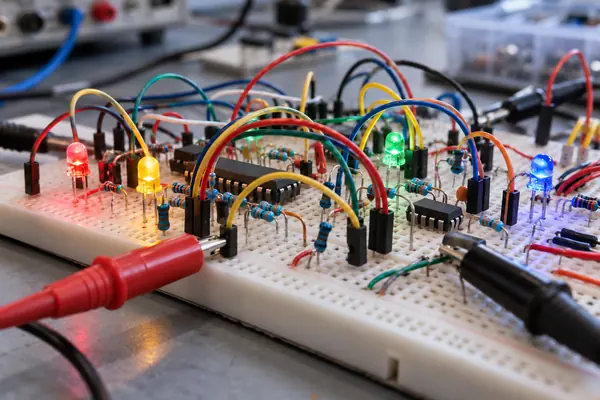
NASA says at TRL 1 research is just beginning, TRL 2 is very speculative, and TRL 3 often brings a first proof-of-concept model.
Place an idea dreamerstechnology
HOW IDEAS GROW UP
Every invention starts as a dream on a bench.
Place an idea
TRL 1–9one shared scale
Engineers needed a shared way to say how close an idea is to real use. The answer was the Technology Readiness Level scale: nine steps from first principles to proven in the field.
At a glance
1974
Year the first readiness scale was drawn up at NASA
The European Association of Research and Technology Organisations says Stan Sadin developed the first seven-level scale in 1974, to help plan space technologies.
THE START · EARTO
9 levels
Levels in today's scale
The scale was refined in the 1990s to the nine levels now widely accepted. ESA says it uses the ISO 16290 version of the scale.
THE SCALE · NASA AND ESA
TWO NUMBERS WORTH KNOWING
One date for where the scale started,
one number for how many levels it grew into.
EARTO notes the scale spread from space to bodies such as the US Department of Defense, the US Department of Energy and ESA, and into European research and innovation policy.
PLACE AN IDEA
Pick a stage of development to see where it sits on the scale, using the European Commission's Horizon 2020 definitions. The bar shows how close the technology is to proven use.
Definitions from the Horizon 2020 Work Programme 2014–2015, General Annex G, with NASA's descriptions.
THE SHORT ANSWER
TRL 1 is the lowest and TRL 9 the highest.
Each step needs more realistic proof than the last.
TRL 1–3
NASA says at TRL 1 research is just beginning, TRL 2 is very speculative, and TRL 3 often brings a first proof-of-concept model.
Place an ideaTRL 4–6
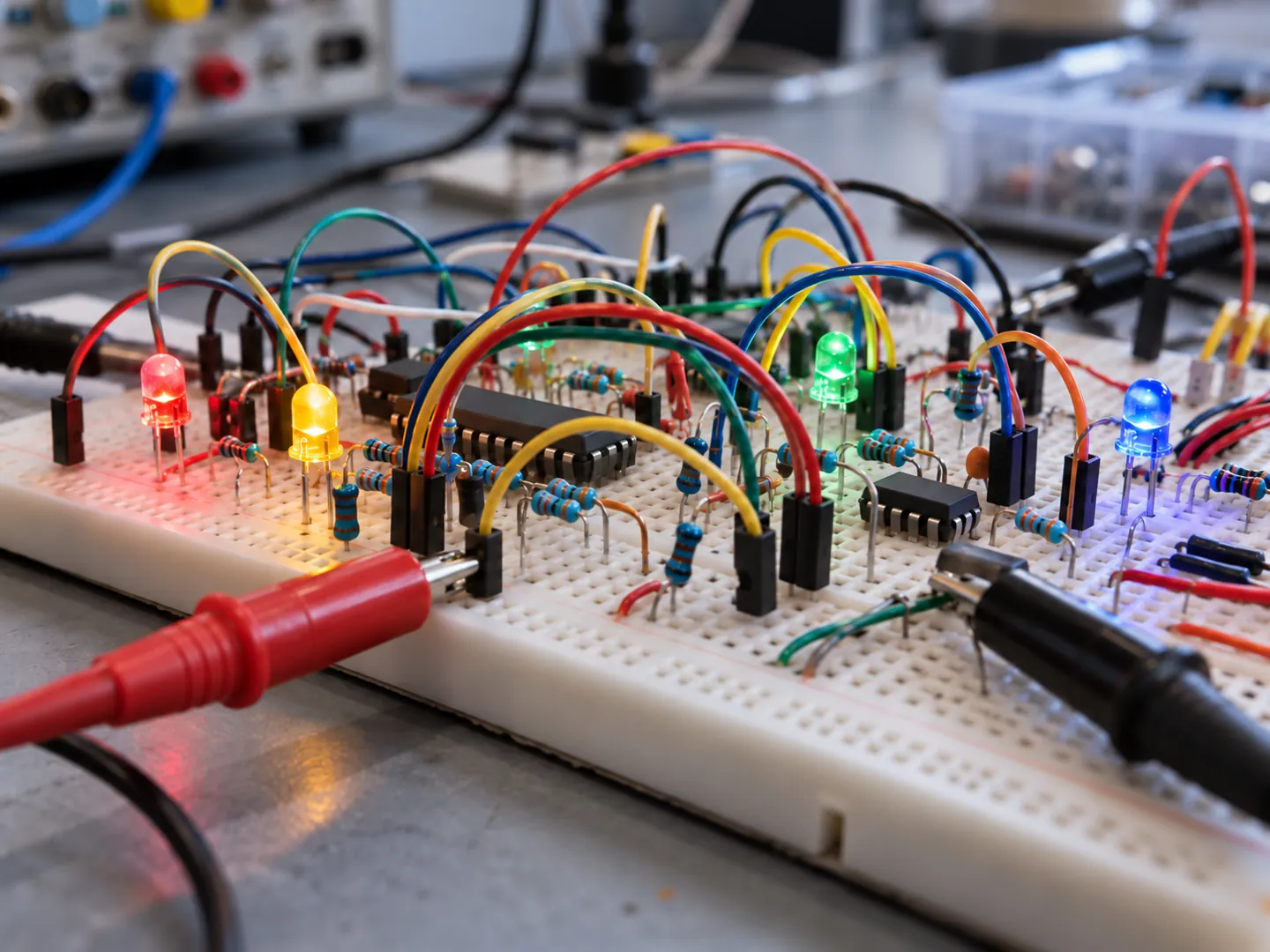
Components are tested together, then as a breadboard under near-realistic conditions, until there is a fully functional prototype.
See the numbersTRL 7–9
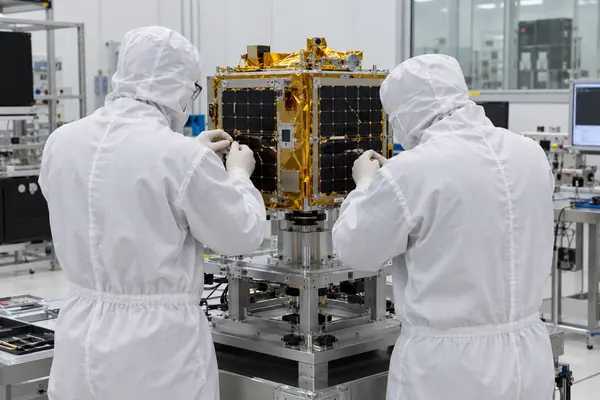
The prototype is demonstrated in its real operating environment, qualified, and finally proven in actual use.
How it is used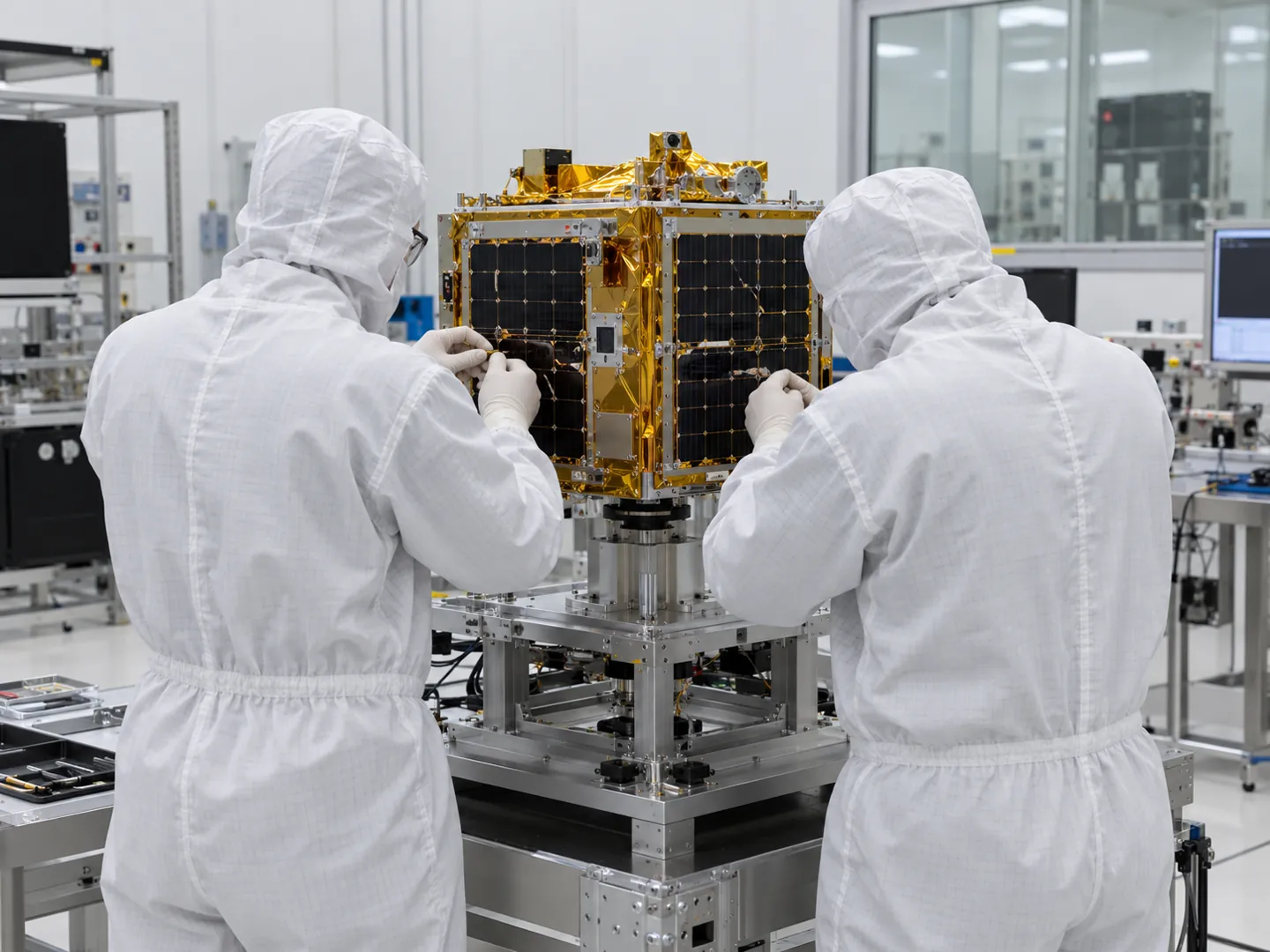
WHY THE SCALE MATTERS
The scale lets researchers, engineers and funders talk about very different technologies in the same terms.
EARTO says the scale was built so the maturity of different types of technology could be compared consistently.
Projects such as the Space Shuttle showed the need for a systematic way to say how ready each technology was.
European research programmes use TRLs in their topic descriptions to say what stage a project should reach.
EARTO describes the gap between research results and products on the market as a valley of death the scale helps to bridge.
THE SPACE ROOTS
In NASA's version, TRL 7 means a working prototype has been demonstrated in a space environment, and TRL 8 means it has been tested and flight qualified, ready to join an existing system.
Only once it has been flight proven during a successful mission can it be called TRL 9. Outside space, the European definition swaps this for an actual system proven in its operational environment, or competitive manufacturing.
Questions
Technology Readiness Level. NASA describes it as a measurement system for assessing the maturity of a particular technology, with nine levels from TRL 1, the lowest, to TRL 9, the highest.
EARTO credits Stan Sadin at NASA with the first seven-level scale in 1974. It was refined in the 1990s into the nine-level version that is now widely used.
NASA says at TRL 4 component pieces are tested together. At TRL 5 the breadboard technology undergoes more rigorous testing in simulated environments as close to realistic as possible.
No. EARTO notes it is used by defence and energy departments and large companies, and the European Commission uses it in research programme topics. Each body often adapts the definitions.
ESA says it uses the ISO 16290 TRL scale. The European Commission set out its own short definitions for Horizon 2020 in General Annex G of its work programme.
Sources
ABOUT THIS NAME
dreamerstechnology.org is part of the DoodleSale portfolio. It isn't in an auction right now, but you can ask about leasing it.